
call us now
+919013341025
Enquiry
Call Center:
+919013341025
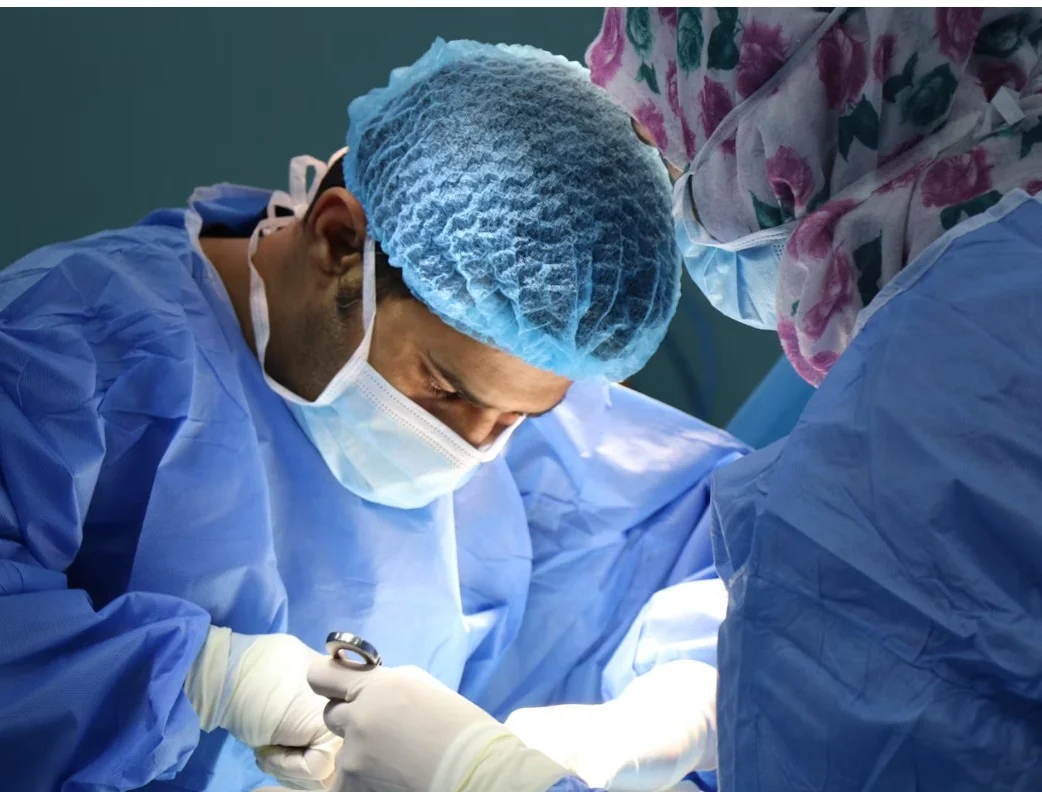
Your hands are involved in almost every routine activity, from writing and typing to lifting objects, dressing, cooking, and working. Because the hand contains a complex combination of bones, joints, tendons, nerves, muscles, and blood vessels, even a relatively small problem can affect movement or cause persistent discomfort.
A hand surgeon specialises in diagnosing and treating conditions affecting the hand, wrist, fingers, and related parts of the upper limb. Treatment does not always mean surgery. Depending on the problem, care may involve observation, medication, splinting, therapy, injections, or a surgical procedure when it is medically appropriate.
Problems a Hand Surgeon Commonly Evaluates
Hand surgeons deal with a broad range of conditions rather than one particular type of injury. Some patients arrive after an accident, while others develop symptoms gradually because of wear, nerve compression, tendon problems, or another condition.
Common concerns may include:
-
Hand and wrist fractures
-
Tendon injuries
-
Nerve compression
-
Ligament injuries
-
Joint problems
-
Finger deformities
-
Arthritis-related difficulties
-
Repetitive-use injuries
-
Hand infections
-
Congenital hand conditions
The appropriate treatment depends on the specific structure affected and how much the condition is interfering with hand function.
Why Hand Anatomy Makes Treatment Complex
The hand may appear small, but it contains many structures that have to work together precisely. A tendon allows a finger to bend or straighten, nerves provide sensation and help control movement, while joints allow the fingers and wrist to move through different positions.
Damage to one structure can sometimes affect another. For example, an injury that appears to be a simple cut may also damage a tendon or nerve underneath the skin. Similarly, a fracture that heals in poor alignment may later interfere with movement.
This is why a detailed assessment can be important when symptoms persist or an injury appears more complicated than expected.
Diagnosis Helps Determine the Right Approach
A hand surgeon begins by understanding the patient's symptoms and examining the affected area. The evaluation may include checking movement, strength, sensation, swelling, tenderness, circulation, and joint stability.
Imaging can provide additional information when a bone, joint, or deeper structure needs to be examined. Depending on the condition, an X-ray, ultrasound, MRI, or other investigation may be recommended.
The purpose of these assessments is to identify what is actually causing the problem before treatment is selected.
Surgery Is Only One Part of Hand Care
Patients sometimes assume that seeing a hand surgeon automatically means they will need an operation. That is not necessarily the case.
Some conditions can be managed through rest, activity modification, medication, splinting, injections, or rehabilitation. Surgery becomes a consideration when the condition is unlikely to improve adequately through conservative measures, when a structure requires repair, or when function is significantly compromised.
The decision should be based on the diagnosis, severity, symptoms, expected benefits, and potential risks.
Injuries May Need Timely Attention
Certain hand injuries should not be ignored simply because the pain seems manageable. A deep cut, obvious deformity, inability to move a finger normally, persistent numbness, severe swelling, or an injury involving a crushed or trapped hand may indicate damage requiring prompt evaluation.
Early assessment can be particularly important when tendons, nerves, blood vessels, or fractures are involved. Delayed treatment can sometimes make reconstruction or functional recovery more difficult.
Restoring Movement Is Part of Treatment
Treating the underlying problem is only one aspect of recovery. After certain injuries or procedures, the hand may become stiff or weak because it has been immobilised or because tissues require time to heal.
Rehabilitation can help restore movement, strength, coordination, and practical hand use. The timing of exercises depends on the condition and treatment. Starting movement too early may be unsuitable for some repairs, while unnecessary prolonged immobilisation can contribute to stiffness.
A structured recovery plan therefore needs to match the specific injury or procedure.
Long-Term Hand Problems Deserve Attention Too
Not every hand condition begins with an obvious accident. Gradual pain, tingling, stiffness, weakness, or reduced grip can develop over time and may eventually interfere with work or daily activities.
Persistent symptoms can have different causes, including nerve compression, arthritis, tendon disorders, or repetitive strain. Instead of repeatedly working around the discomfort, patients may benefit from having the cause assessed so that appropriate treatment can be considered.
Selecting Hand Care
Choosing specialist hand care is about more than finding someone who performs surgery. A proper evaluation should consider the source of the problem, the tissues involved, how the condition is affecting hand function, and which treatment approach is most suitable. Depending on the diagnosis, management may involve conservative care, rehabilitation, or a surgical procedure.
At Delhi Hand Clinic, patients can discuss concerns involving the hand and wrist and undergo an appropriate clinical assessment. The findings can help clarify the condition and guide further decisions about treatment and recovery.
Frequently Asked Questions
1. Does every hand problem require surgery?
No. Many hand conditions can be treated with non-surgical measures such as medication, splinting, activity modification, injections, or therapy. Surgery is considered when it is appropriate for the specific condition.
2. When should I see a hand surgeon after an injury?
Prompt evaluation is advisable when there is significant swelling, deformity, loss of movement, persistent numbness, a deep wound, severe pain, or difficulty using the affected hand normally.
3. Can a hand surgeon treat wrist problems too?
Yes. Hand surgeons commonly evaluate and treat conditions involving the wrist as well as the fingers, hand, and related upper-limb structures.
Give Persistent Hand Problems Proper Attention
If a hand or wrist problem is making routine tasks, work, or movement more difficult, getting it assessed can help identify what is causing the problem. Visit Delhi Hand Clinic for the Hand Surgeon in New Rajinder Nagar and consult the appropriate specialist about your symptoms and available treatment options.
- Hand Surgeon in New Rajinder Nagar
- Hand Surgeon in Karol Bagh
- Hand Surgeon in Patel Nagar
- Hand Surgeon in Jhandewalan