
call us now
+919013341025
Enquiry
Call Center:
+919013341025
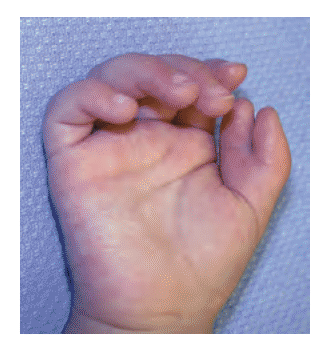
A child's hands are constantly developing through play, school activities and everyday exploration. Sometimes parents notice that one hand looks different, a finger does not move normally or a child avoids using one side during activities. Other concerns may only become obvious when the child begins writing, dressing or taking part in tasks that require greater hand control.
Some differences are present from birth, while others develop after an injury. The important question is not simply how the hand looks, but how comfortably and effectively the child can use it as growth continues.
Hand Differences Can Become More Noticeable With Age
A child may have a hand difference that causes little difficulty during infancy but becomes more apparent as new skills develop. Holding a pencil, fastening buttons, using scissors or manipulating small toys can reveal limitations that were not obvious earlier.
Growth can also change the functional demands placed on the hand. A child who manages simple movements well may need additional support when activities become more complex.
What Types of Concerns Can Parents Notice?
The signs can vary depending on whether the issue is congenital, developmental or related to an injury.
Parents may notice:
-
Fingers that appear unusually positioned
-
Limited movement in a finger, thumb or wrist
-
One hand being used much less than the other
-
Difficulty gripping toys or school materials
-
Persistent swelling after an injury
-
A change in hand function after a fracture
-
A child avoiding activities that require both hands
A single difference does not necessarily mean surgery will be needed. The child's overall function and development are important.
Why Early Attention Can Matter
A child's bones, joints, tendons and soft tissues continue changing while they grow. When a structural problem affects hand function, leaving it unaddressed for a long period may sometimes make later correction more complicated.
Early specialist input can help establish whether the difference should simply be monitored, managed with therapy or considered for surgical treatment.
Birth Differences Need Individual Planning
Some children are born with differences involving the fingers, thumb, wrist or other parts of the hand. The effect can range from very mild to functionally significant.
Surgical decisions in these cases are not based solely on appearance. The specialist may consider movement, grasp, sensation, growth and how the child's hand is likely to function as demands increase.
Injuries Are Another Part of Paediatric Hand Care
Children are active and can sustain fractures, tendon injuries or damage to the fingers and wrist during play or sports.
A minor injury may heal with appropriate immobilisation, while a more complicated injury could affect movement if it is not treated correctly.
A child who continues to experience pain, swelling, reduced movement or difficulty using the injured hand after treatment may need another examination.
The Child's Age Can Influence the Plan
Treatment for a very young child may differ from treatment for an older school-age child because growth and cooperation are important factors.
The surgeon may also consider how much function the child currently has and what activities are likely to become important as the child progresses through school and adolescence.
What Does a Paediatric Hand Assessment Involve?
The specialist may observe how the child uses both hands during age-appropriate activities. Movement, grip, finger coordination and the structure of the hand may also be examined.
Imaging can be useful when bone or joint structure needs closer examination. The child's medical and injury history forms another important part of the assessment.
Surgery Is Not Always the First Step
Some children benefit from occupational therapy, splinting, observation or another non-operative approach. In other situations, a surgical procedure may be recommended to improve movement or correct a structural problem.
The decision depends on the child's diagnosis and the functional goals of treatment. For families considering a Pediatric Hand Surgeon in Patel Nagar, Delhi Hand Clinic can offer specialist hand care for children with congenital differences, injuries and other conditions affecting hand function.
Helping a Child Prepare for Treatment
Children can feel anxious about medical procedures, especially when they involve the hand they use for school and play. Simple, age-appropriate explanations can help them know what is going to happen without creating unnecessary fear.
Parents can also plan for temporary changes in schoolwork, dressing, sports and other activities during recovery.
Rehabilitation Can Be Important for Growing Hands
Surgery may correct a structural problem, but the child may still need help rebuilding movement and coordination afterward. Therapy can support strength, flexibility and the practical use of the hand.
For a child, rehabilitation often works best when exercises are incorporated into activities that feel like play rather than repetitive tasks with no visible purpose.
When an Injury Needs Prompt Assessment
A badly injured hand with obvious deformity, loss of sensation, severe swelling or an inability to move the fingers requires urgent medical attention.
A finger or hand that becomes unusually pale, blue or cold after an injury also needs prompt assessment.
Conclusion
A child's hand can look different for many reasons, and not every difference requires surgery. What matters is whether the condition affects movement, grasp, coordination or the child's ability to participate in age-appropriate activities.
FAQs
1. Are all children's hand differences treated with surgery?
No. Some cases can be monitored or managed with therapy and other non-surgical measures.
2. Can a child with a previous hand injury need another assessment?
Yes. Persistent stiffness, weakness, swelling or reduced function after an injury may warrant further specialist review.
3. Does growth affect paediatric hand treatment?
Yes. The child's age and expected growth can influence both treatment timing and the surgical plan.
4. Can therapy be part of treatment for a child's hand problem?
Yes. Occupational or physical therapy may support movement, coordination and practical hand function before or after treatment when recommended.
CTA
A hand difference or injury can become more important as a child takes on new school, play and self-care activities. Book an appointment at Delhi Hand Clinic for a Pediatric Hand Surgeon in Patel Nagar and discuss the next step for your child's hand health and function.
Meta Description
Learn what parents should watch for when a child's hand develops differently, including congenital differences, injuries, movement problems, treatment choices and rehabilitation.
- Pediatric Hand Surgeon in New Rajinder Nagar
- Pediatric Hand Surgeon in Karol Bagh
- Pediatric Hand Surgeon in Patel Nagar
- Pediatric Hand Surgeon in Jhandewalan