
call us now
+919013341025
Enquiry
Call Center:
+919013341025
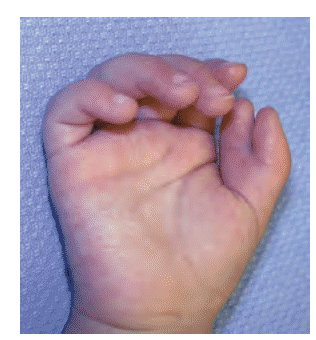
A child's hands play an important role in growth and development. From learning to hold a pencil and button clothes to playing, writing, and exploring the world, hand function influences many everyday activities. When a child is born with a hand difference or develops a hand injury, timely medical evaluation can help identify the most suitable treatment approach.
Pediatric hand surgery focuses on diagnosing and managing conditions affecting the hands and upper limbs in infants, children, and adolescents. Since children's bones, joints, nerves, and soft tissues are still developing, treatment planning differs significantly from that of adults.
Why Children's Hand Conditions Require Specialised Care
The growing hand has unique anatomical and functional characteristics. Conditions that may seem minor can sometimes affect normal development if left untreated. Similarly, injuries need careful assessment to ensure that healing supports future hand growth and movement.
Treatment decisions are made after considering the child's age, developmental stage, medical history, and the specific condition affecting the hand.
Conditions That May Require Pediatric Hand Surgery
Pediatric hand surgeons evaluate a variety of congenital and acquired conditions. The type of treatment depends on the severity of the problem and its effect on the child's daily activities.
Some commonly managed conditions include:
-
Congenital hand differences
-
Extra or fused fingers
-
Tendon injuries
-
Hand fractures
-
Nerve injuries
-
Burn-related hand contractures
-
Soft tissue injuries
-
Finger deformities
Each child undergoes an individual assessment before treatment recommendations are made.
Diagnosis Comes Before Treatment Planning
Every child presents differently, even when the diagnosis appears similar. During evaluation, the surgeon examines hand movement, finger function, grip ability, joint flexibility, and overall limb development. Imaging studies or additional investigations may be recommended whenever required.
This detailed assessment helps determine whether observation, therapy, splinting, or surgery is the most appropriate option.
Surgery Is Planned Around the Child's Needs
Pediatric hand surgery aims to improve function while supporting healthy growth and development. When surgery becomes necessary, the procedure is planned according to the child's condition, age, and expected long-term outcome.
Parents are guided about the purpose of the procedure, recovery expectations, rehabilitation requirements, and follow-up care before treatment begins.
Recovery Continues Beyond the Operation
Healing after pediatric hand surgery requires patience and ongoing care. Depending on the condition treated, children may need splints, physiotherapy, or hand exercises to regain strength and movement.
Parents also play an important role by ensuring regular follow-up visits and encouraging the child to participate in rehabilitation activities recommended by the treating surgeon.
When Should Parents Seek Medical Advice?
Certain symptoms should not be ignored, particularly if they interfere with normal hand function or development.
Medical evaluation is advisable if a child experiences:
-
Difficulty moving fingers or the hand
-
Persistent swelling after an injury
-
Noticeable deformity
-
Limited grip strength
-
Pain that does not improve
-
Congenital differences affecting hand function
-
Delayed recovery after a fracture or injury
-
Reduced sensation in the hand or fingers
Early diagnosis allows appropriate treatment planning and may help improve long-term functional outcomes.
Frequently Asked Questions
Is pediatric hand surgery only performed for birth defects?
No. It is also performed for fractures, tendon injuries, nerve injuries, burns, infections, and other conditions affecting children's hands.
Will every child with a hand condition need surgery?
No. Many conditions can be managed with observation, therapy, splinting, or other non-surgical treatment depending on the diagnosis.
How long does recovery take?
Recovery depends on the child's age, the condition being treated, the type of procedure performed, and the rehabilitation required after treatment.
Conclusion
Children rely on healthy hand function for learning, play, and daily independence. Identifying hand problems early allows treatment to be planned according to the child's individual needs and future development.
To learn more about Pediatric Hand Surgery in New Rajinder Nagar, book an appointment with Delhi Hand Clinic. A detailed evaluation can help parents understand the diagnosis, available treatment options, and the most appropriate care plan for their child's hand condition.
Meta Description: Pediatric Hand Surgery in New Rajinder Nagar at Delhi Hand Clinic for congenital hand conditions, fractures, tendon injuries, nerve disorders, and specialised treatment for children.
- Pediatric Hand Surgery in New Rajinder Nagar
- Pediatric Hand Surgery in Karol Bagh
- Pediatric Hand Surgery in Patel Nagar
- Pediatric Hand Surgery in Jhandewalan