
call us now
+919013341025
Enquiry
Call Center:
+919013341025
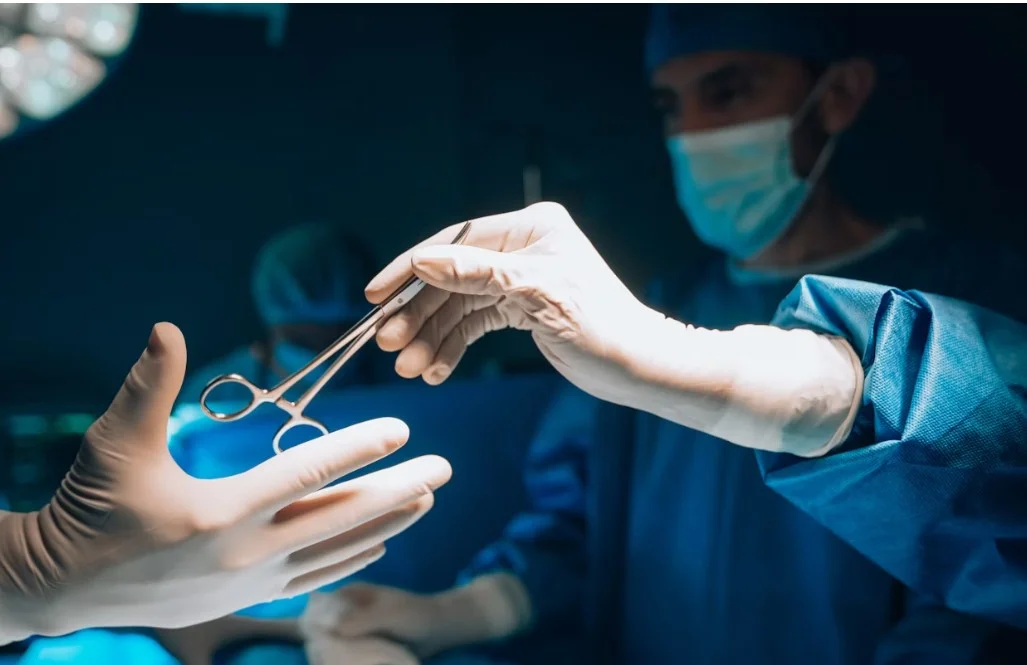
The brachial plexus is a network of nerves that travels from the neck towards the shoulder and continues into the arm. These nerves carry signals that help control movement and sensation in the shoulder, arm, forearm, and hand. When the network is stretched, compressed, torn, or otherwise damaged, the resulting weakness or loss of sensation can interfere with everyday activities.
Brachial plexus problems can occur after significant trauma, but they may also develop in other circumstances. Because the severity and location of nerve damage can vary, treatment needs to be based on an individual assessment rather than the symptoms alone.
The Brachial Plexus Has an Important Job
Nerves within the brachial plexus communicate between the spinal cord and the upper limb. They help the brain send movement signals to the muscles while carrying sensory information back from the arm and hand.
An injury to one part of this network may produce a very different result from damage involving several nerves. A person might have difficulty raising the shoulder, bending the elbow, extending the wrist, gripping objects, or feeling particular areas of the arm.
Understanding which functions have been affected helps specialists determine the extent and location of the injury.
How Can the Nerves Become Damaged?
Severe accidents are among the situations in which brachial plexus injuries can occur. A sudden force that pulls the neck and shoulder in different directions can stretch or damage the nerves. Some injuries may occur alongside fractures, dislocations, or other trauma.
The severity can range from temporary stretching to more substantial nerve damage. In certain cases, the nerve may recover naturally over time, while more serious injuries may require specialist intervention.
The history of the injury, the pattern of weakness, and the findings on examination all contribute to understanding what may have happened.
What Changes Might a Person Notice?
The symptoms depend on which nerves have been affected and how severely they are damaged. Some changes can appear immediately after an injury, while others become clearer during the recovery period.
Common symptoms can include:
-
Weakness in the shoulder or arm
-
Reduced ability to bend or straighten the elbow
-
Difficulty moving the wrist or fingers
-
Loss or reduction of sensation
-
Numbness or tingling
-
Burning or nerve-related pain
-
Reduced grip strength
-
Loss of coordination or useful arm movement
A sudden loss of arm function after significant trauma requires prompt medical attention because early evaluation can provide important information about the injury.
Diagnosis Requires More Than Looking at Movement
A clinical examination is an important part of evaluating brachial plexus damage. The specialist may assess muscle strength, reflexes, sensation, joint movement, and the distribution of weakness across the limb.
Additional investigations can provide information about the nerves and surrounding structures. Depending on the circumstances, imaging studies or electrodiagnostic tests may be used to understand the location and severity of the injury.
Repeated assessments can also be useful because nerve recovery may become clearer with time. Changes in strength, sensation, or muscle function can provide information about how the affected nerves are progressing.
Not Every Injury Needs Immediate Surgery
One of the important decisions in brachial plexus care is determining whether the injured nerves have a reasonable possibility of recovering without an operation.
Some nerve injuries may improve gradually and can be monitored while the patient receives appropriate supportive care and rehabilitation. More severe damage, however, may not recover adequately on its own.
The decision about surgery takes into account the type of nerve injury, severity, time since injury, examination findings, investigations, and the potential for useful functional recovery. This is why specialist assessment is important before deciding on an intervention.
What Can Brachial Plexus Surgery Involve?
Surgical treatment depends entirely on the nature and location of the nerve damage. Different reconstructive techniques may be considered when spontaneous recovery is unlikely or insufficient.
The surgical approach may involve repairing an injured nerve when suitable, using a nerve graft to bridge a damaged section, or transferring another functioning nerve to restore signals to an affected muscle. In selected situations, additional reconstructive procedures may be considered to improve useful movement.
The objective is not simply to repair a nerve structurally. The larger goal is to restore as much practical function as possible, although the final outcome can vary depending on the original injury and other factors.
Recovery Requires Patience and Rehabilitation
Nerves generally recover slowly, and improvement after nerve surgery does not happen immediately. The repaired or reconstructed nerve needs time to regenerate and reconnect with the muscles it is intended to activate.
Rehabilitation can therefore form an important part of the treatment process. Depending on the injury, therapy may focus on maintaining joint flexibility, preventing stiffness, strengthening recovering muscles, and helping the patient relearn useful movement patterns.
Recovery can continue over an extended period, and progress may be gradual rather than dramatic from one week to the next.
Why Timing and Specialist Assessment Matter
Brachial plexus injuries can be complex because they involve a network of nerves rather than a single isolated structure. The sooner the nature of a significant injury is properly assessed, the better the treating team can understand the available options and determine whether observation, rehabilitation, or reconstruction should be considered.
For patients considering Brachial Plexus Surgery in Patel Nagar, Delhi Hand Clinic provides an opportunity to discuss nerve-related arm problems and undergo appropriate specialist evaluation. The consultation can help clarify the nature of the injury, whether surgical treatment may have a role, and what the broader recovery process could involve.
Frequently Asked Questions
1. Can a brachial plexus injury heal without surgery?
Some injuries may recover naturally, particularly when the nerves have been stretched rather than severely damaged. The likelihood of recovery depends on the type and severity of the injury.
2. Does brachial plexus surgery restore movement immediately?
No. Nerve recovery is generally gradual because repaired or reconstructed nerves need time to regenerate. Rehabilitation is often an important part of the process.
3. Can brachial plexus injuries cause permanent weakness?
Severe nerve injuries can result in lasting functional problems. The outcome depends on factors such as the extent of damage, timing of treatment, structures involved, and recovery after treatment.
Getting the Nerve Injury Properly Evaluated
Weakness, numbness, or loss of arm movement following a significant injury should not be treated as an ordinary muscle problem without proper assessment. If you are considering Brachial Plexus Surgery in Patel Nagar, arrange a consultation at Delhi Hand Clinic so the affected nerves and arm function can be evaluated and the appropriate treatment pathway can be discussed.
- Brachial Plexus Surgery in New Rajinder Nagar
- Brachial Plexus Surgery in Karol Bagh
- Brachial Plexus Surgery in Patel Nagar
- Brachial Plexus Surgery in Jhandewalan