
call us now
+919013341025
Enquiry
Call Center:
+919013341025
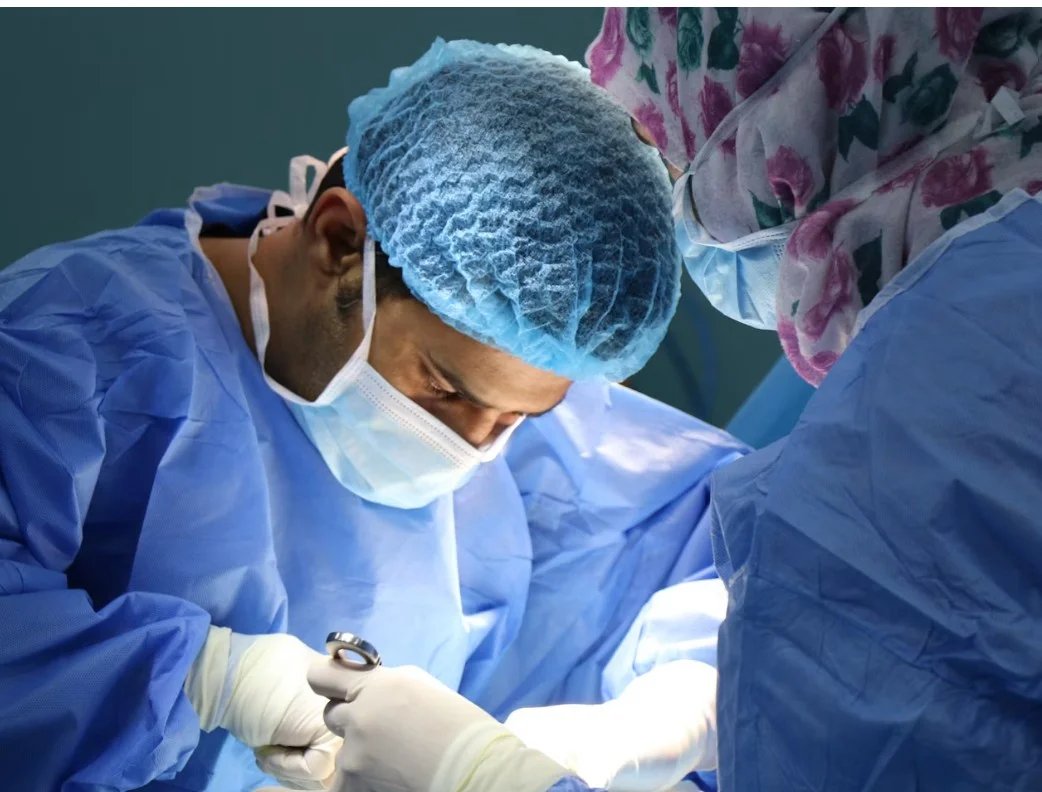
A serious injury can leave behind problems that extend far beyond the original wound. Skin and soft tissue may be lost, movement can become restricted and deeper structures such as tendons, nerves or blood vessels may also be affected. In such situations, simply allowing the wound to close may not be enough to restore useful function.
Reconstructive surgery focuses on rebuilding or repairing damaged areas so that the affected body part can regain greater protection, movement or structural integrity. The process can vary greatly depending on what was injured and how much healthy tissue remains.
The First Goal May Be Protecting the Damaged Area
After major tissue loss, exposed structures may need protection before normal function can be considered. Adequate soft-tissue coverage can help protect tendons, bones, joints and other deeper structures.
The type of reconstruction depends on where the injury occurred and what tissues have been affected. In some cases, local tissue may be sufficient. More extensive defects may require tissue from another area of the body.
What Can Lead to Reconstructive Surgery?
Reconstruction may become relevant after different types of damage, including:
-
Severe hand or limb injuries
-
Crush injuries
-
Burns with significant tissue loss
-
Complications following infection
-
Extensive scarring
-
Tissue loss after previous surgery
-
Certain congenital structural differences
The objective is shaped by the nature of the damage rather than by a single standard operation.
Function Can Be Just as Important as Appearance
A reconstructed area may need to perform a specific job. A hand may need to grip, a finger may need to move, or a limb may need sufficient soft-tissue coverage to support walking.
This means the surgical plan can involve more than closing a wound or improving its visual appearance. Restoring movement, stability or sensation may be central to the treatment.
Why Tissue Condition Matters
Healthy tissue is important for successful reconstruction. Scar tissue, previous operations, infection or poor blood supply can influence which reconstructive techniques are available.
The surgeon may therefore need to examine the surrounding area carefully before deciding how to rebuild the damaged structure.
Reconstruction Can Involve Several Different Techniques
The method used depends on the size and location of the defect and the structures that need protection or repair.
Potential approaches can include:
-
Repositioning nearby tissue
-
Skin grafting
-
Flap reconstruction
-
Repair of damaged tendons or nerves
-
Reconstruction around exposed bone or joints
-
Combining soft-tissue and functional repairs
These techniques may also be combined when a complex injury affects several tissue layers.
Why Timing Can Matter
Reconstruction does not follow the same timeline for every injury. An urgent injury may require rapid intervention to protect exposed structures, while another case may first require infection control or stabilisation.
Earlier planning can also help preserve options for later functional reconstruction when major tissues have been damaged.
How the Surgical Plan Is Built
The surgeon may review the original injury, previous procedures, photographs or medical records along with current examination findings. Imaging may also be required when deeper structures are involved.
The plan is then shaped around what needs to be restored and what tissue is available to work with.
When reconstruction is needed after significant tissue damage, the surgical plan depends on the structures affected and the function that needs to be restored. Delhi Hand Clinic is a specialist centre for Best Reconstructive Surgeon in New Rajinder Nagar, where reconstructive treatment can be planned around the patient's injury, tissue condition and functional requirements.
Recovery Can Involve More Than Wound Healing
Healing of the reconstructed tissue is only one part of recovery. Depending on the procedure, patients may also need rehabilitation to regain movement, strength or coordination.
Hand reconstruction, for example, may require carefully timed therapy to prevent stiffness while protecting newly repaired structures.
The Final Result Takes Time
Reconstructive surgery rarely produces its final result immediately. Swelling, scar maturation and changes in sensation can continue for months.
Functional recovery can also occur gradually, particularly when nerves, tendons or joints have been involved.
When Further Reconstruction May Be Needed
Some complex injuries cannot be corrected in a single procedure. Additional surgery may be considered if another structure needs repair or if the initial reconstruction was intended to prepare the area for a later stage.
The possibility of staged treatment should be discussed before surgery so expectations remain realistic.
Conclusion
Reconstructive surgery can restore much more than the surface appearance of an injured area. It may help protect deeper structures, improve movement, rebuild lost tissue and support the practical use of the affected body part.
FAQs
1. Is reconstructive surgery only performed after accidents?
No. It can also be used for burns, infection-related tissue loss, congenital differences, previous surgical complications and other structural problems.
2. Can reconstructive surgery restore movement?
In selected cases, reconstruction can improve movement by repairing or rebuilding damaged structures, often with rehabilitation afterward.
3. What is the difference between a skin graft and a flap?
A skin graft consists of transferred skin that relies on the recipient area for its blood supply, while a flap carries its own blood supply with it.
4. Can reconstruction require more than one operation?
Yes. Complex defects may sometimes need staged procedures depending on the extent of tissue damage and the structures involved.
CTA
Major tissue damage can affect protection, movement and the normal use of a body part. Make an appointment at Delhi Hand Clinic if you are looking for the Best Reconstructive Surgeon in New Rajinder Nagar and discuss the reconstructive treatment suited to the injury or structural problem.
- Best Reconstructive Surgeon in New Rajinder Nagar
- Best Reconstructive Surgeon in Karol Bagh
- Best Reconstructive Surgeon in Patel Nagar
- Best Reconstructive Surgeon in Jhandewalan