
call us now
+919013341025
Enquiry
Call Center:
+919013341025
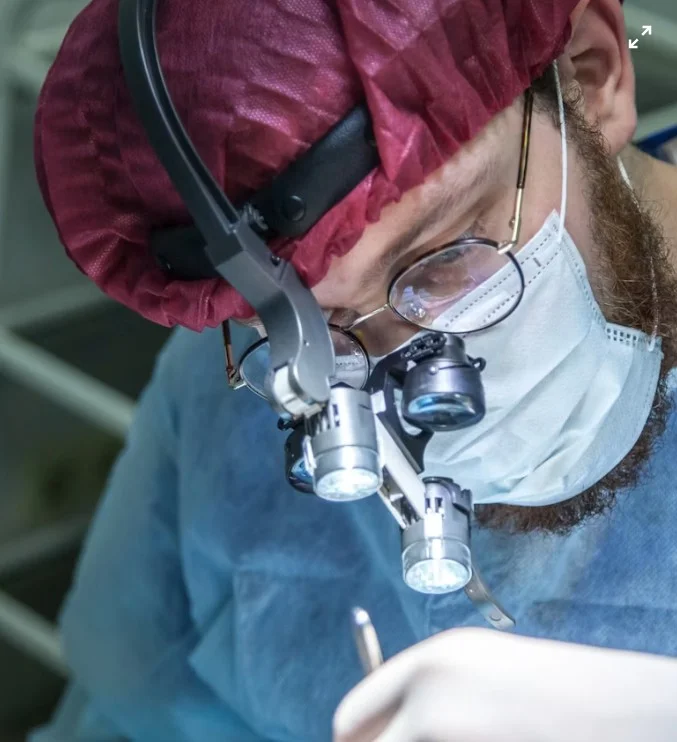
There are situations in surgery where the difference between a good repair and a useful functional recovery can come down to structures that are barely visible to the naked eye. Tiny nerves, blood vessels, and delicate tissues may need to be joined or reconstructed with considerable accuracy. This is where microsurgery has an important role.
Microsurgery uses specialised magnification and fine surgical instruments to work on very small anatomical structures. It is not a separate type of treatment for one particular disease. Instead, it is a surgical technique that can be used when ordinary surgical methods are not precise enough for the structures involved.
What Makes Microsurgery Different?
In conventional surgery, the surgeon can often work with structures that are large enough to handle and repair directly. Microsurgery changes the scale at which the procedure is performed. Magnification allows the surgeon to see tiny structures more clearly and work with greater precision.
This becomes particularly relevant when repairing nerves or small blood vessels. These structures can be extremely delicate, and their alignment may matter considerably to the outcome.
The technique therefore requires specialised equipment as well as training and experience in handling small anatomical structures.
It Can Be Useful Beyond One Type of Injury
Microsurgical techniques may be used in different reconstructive situations. The need for them depends on the location and extent of tissue damage and what needs to be restored.
For example, a serious injury to the hand may damage a nerve or blood vessel along with skin, tendons, or bone. In such cases, restoring one structure may not be enough to bring back useful function. Microsurgery can form part of a broader reconstruction when the affected structures are small and require precise repair.
It may also have a role in selected reconstructive procedures where tissue needs to be transferred from one area of the body to another along with its blood supply.
Which Structures May Need Microsurgical Repair?
Depending on the condition, microsurgical techniques can be used for:
-
Small nerves
-
Tiny blood vessels
-
Selected tendons and delicate tissues
-
Transferred tissue requiring blood-vessel connection
-
Complex reconstructive defects
-
Certain injuries involving multiple structures
Not every injury involving these tissues requires microsurgery. The technique is selected when its precision offers a meaningful advantage for the particular reconstruction.
Why Nerve Repair Requires Patience
Nerve injuries can be especially challenging because repairing the nerve is only the beginning. Unlike a wound that closes over a short period, a damaged nerve may take considerable time to regain function.
After an appropriate repair, the nerve needs to regenerate towards the area it supplies. The distance involved, the severity and location of the injury, the condition of the surrounding tissues, and the timing of treatment can all influence recovery.
This is why expectations after microsurgical nerve repair need to be realistic. Improvement may occur gradually, and rehabilitation can be just as important as the procedure itself.
Blood-Vessel Repair Can Be Crucial in Reconstruction
Small blood vessels supply oxygen and nutrients to tissues. When these vessels are damaged or when tissue is transferred during reconstruction, maintaining adequate blood flow can be essential.
Microsurgical techniques allow surgeons to connect very small vessels under magnification. In appropriate cases, this can help establish blood supply to reconstructed tissue.
Because blood flow can be affected by many factors, patients undergoing such procedures require careful monitoring during recovery. The exact postoperative plan depends on the type of reconstruction performed.
The Decision Starts With the Problem, Not the Technique
It is easy to focus on the word “microsurgery” because it sounds highly specialised. However, the technique itself is not the starting point of treatment. The first question is what has been damaged and what needs to be restored.
A surgeon may consider the patient's injury, symptoms, previous treatment, tissue condition, medical history, and functional requirements before deciding how reconstruction should be performed. In some cases, conventional techniques may be sufficient. In others, microsurgical repair may provide a more suitable way to address the affected structures.
This distinction is important because advanced technology does not automatically make one treatment better for every patient.
What the Evaluation May Consider
Before recommending a microsurgical procedure, the specialist may need to understand several aspects of the condition:
-
Location and extent of tissue damage
-
Nerve function and sensation
-
Blood circulation
-
Movement and strength
-
Condition of the surrounding tissues
-
Previous surgeries or treatments
-
Overall health and factors affecting healing
-
Expected functional goals
The findings help establish whether reconstruction is possible and which approach may provide the most appropriate balance between potential benefit and surgical risk.
Recovery Is Part of the Reconstruction
Microsurgery does not end when the operation is completed. Depending on the procedure, the repaired area may need protection for a period of time while the tissues heal. Rehabilitation may then be introduced progressively.
Therapy can focus on movement, strength, coordination, sensation, or the practical use of the affected body part. The pace is determined by what has been repaired. Protecting a delicate repair early on can be just as important as eventually regaining movement.
Recovery may therefore require patience from both the patient and the treating team.
Frequently Asked Questions
Is microsurgery only used for hand injuries?
No. Microsurgical techniques can be used in different areas of reconstructive surgery where very small nerves, blood vessels, or tissues need precise treatment.
Does microsurgery guarantee complete recovery?
No surgical technique can guarantee a particular result. Recovery depends on the original damage, structures involved, timing, healing, rehabilitation, and several individual factors.
How long does recovery take after microsurgery?
There is no single recovery timeline. It depends on the type of repair and the tissues involved. Nerve recovery, in particular, can take considerably longer than the initial surgical wound healing.
When Precision Becomes Part of the Treatment
For some complex injuries and reconstructive problems, working with very small structures is unavoidable. If you are considering the Best Micro Surgeon in Shadipur, visit Delhi Hand Clinic for an appropriate assessment and discuss whether a microsurgical approach could be suitable for your condition and functional goals.
- Best Micro Surgeon in New Rajinder Nagar
- Best Micro Surgeon in Karol Bagh
- Best Micro Surgeon in Patel Nagar
- Best Micro Surgeon in Jhandewalan